Blog 1: The positive impact of video games on students
Video games, especially online games that have developed rapidly in recent years, are not only a form of entertainment, but also have a positive impact on students’ growth and learning. Although some people think that games are a waste of time, in fact, adapting to games can be an effective way for us to relax
- Improve cognitive ability and problem-solving ability
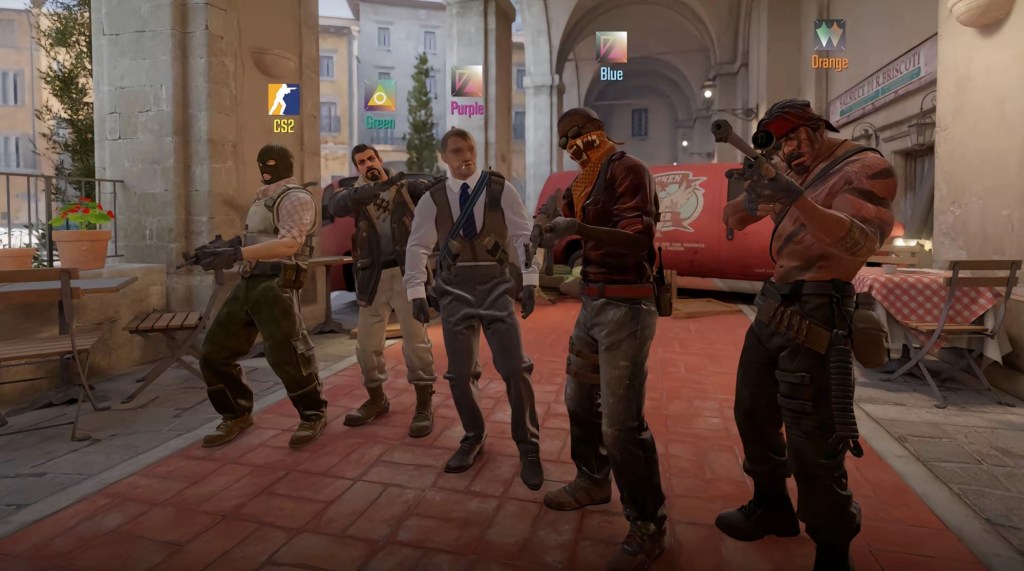
Many games require players to react quickly, formulate strategies, and make decisions under pressure. For example, the strategy game “Civilization” encourages players to plan for the future and manage resources, while the action game “CS” requires players to make decisions and make correct judgments in seconds. These skills are of great benefit to students’ learning and decision-making in real life. - Teamwork and social skills
Online multiplayer games, such as “League of Legends” or “PlayerUnknown’s Battlegrounds”, emphasize teamwork and communication skills. Students learn to divide the work and support each other in the game. This experience can help them cooperate with others more smoothly in team projects at school. - Learn language and culture
Many games have global players participating. Students can improve their English or other foreign language skills by communicating with players from other countries, while understanding different cultural backgrounds. - Release stress and stimulate creativity
Games are a way for students to release stress after studying.

Summary
Electronic games themselves are not “good” or “bad”, the key is how to use them. Through learning games, students can not only enjoy entertainment, but also learn and grow. Parents and teachers should actively guide them to make games a driving force for their growth and not stop them.
- Improve cognitive abilities: logical thinking, reaction speed.
- Stimulate creativity: architectural design, programming practice.
Quote:
“Moderate electronic games can not only bring entertainment, but also cultivate students’ important abilities, such as teamwork and creative thinking.” –Educational Research Scholar
Of course, while enjoying the benefits of games, students also need to control their gaming time and avoid addiction.
Blog 2: The potential retail of electronic games to students
Although electronic games bring a lot of fun, excessive addiction to games may also have a negative impact on students’ lives and studies. We pay close attention to and discuss this issue in order to find appropriate solutions.
- Impact on academic performance
Many students pay attention to their studies because of long-term gaming, which leads to improved grades. Especially when addicted to competitive games or mobile games, students may stay up all night to play games, lack of attention in class during the day, and ultimately affect their academic performance. - Mental health issues
Frustration in games, ranking pressure, and competitive failures may make some students feel depressed, and even anxious and inferior. Being addicted to the virtual world for a long time also alienates students from real life, lacks communication with family and friends, and leads to a sense of isolation. - Physical health
Sitting in front of the computer for a long time to play games can easily lead to myopia, cervical spine problems, and physical decline due to lack of exercise. In addition, some students usually ignore eating and resting when playing games, which leads to a change in their daily routine.


- Potential risks: decreased learning efficiency, social isolation.
- Physical impact: impaired vision, decreased physical strength.
How to deal with it?
We can help students avoid the negative effects of games in the following ways:
- Set reasonable limits on game time.
- Participate in more outdoor activities or hobbies.
- Choose game content that is appropriate for age.
Quote:
“The negative impact of video games mainly comes from improper use. Students need to learn to manage their time and balance learning and entertainment.” – Psychology expert
To deal with these problems, parents and educators need to work with students to set reasonable game time, choose game types that are suitable for their age and psychological development, and help them find a balance between learning, life and games.
Summary
Electronic games are not useless, but students need to find a balance between games and academics. Through healthy and proper guidance, students can get used to the fun of games while avoiding their potential adverse effects.
Blog post 3: The potential of gamified learning
With the development of educational technology, “gamified learning” has become an emerging teaching method. Gamified learning refers to the integration of game elements and mechanisms into educational activities to enhance students’ learning motivation and effectiveness.
- Stimulate students’ interest
Through gamification, students can participate in learning more actively. For example, educational games can turn boring math into a vivid adventure task, so that students can master knowledge while completing challenges. - Provide instant feedback
Gamified learning usually provides instant feedback through points, rewards or levels. This mechanism allows students to clearly understand their learning progress and continuously motivate them to improve their performance. - Cultivate problem-solving skills
The tasks designed for gamified learning usually require students to solve problems through experimentation and thinking. This process can cultivate their critical thinking and innovation abilities.

- Key elements of gamification learning: goals, rules, and feedback.
- Provide effective teaching tools: Kahoot, Duolingo.
“Gamified learning can change the traditional teaching model and create a more attractive learning experience for students.
Blog Post 4: The Impact of Game Design on Future Careers
Game design is not only a form of entertainment, but also a career choice that has attracted much attention. By participating in game design, students can master many skills that are beneficial to their future career development.
- Technical skills
Game design involves multiple fields such as programming, art design, and sound effects production. By learning these skills, students can lay a foundation for entering the technology industry in the future. - Project management skills
Designing a complete game requires teamwork and project management skills. From planning to development, students can learn how to assign tasks, set goals, and solve problems effectively. - Innovation and expression
Games are a carrier for expressing creativity. When designing games, students need to constantly try new ideas and turn these ideas into concrete content.
Media examples:

- Recommended game engines: Unity, Unreal Engine.
- Game design resources: online courses, books.
“Game design is a subject that combines technology and art, and can inspire students’ diverse potential.” – Game Developer
Through the above four articles, we have explored the impact of games on students from different angles. Whether it is positive or negative, the key is to guide students to contact games in a healthy and positive way.

 站点标题
站点标题 